1
/
of
1
SKU:IN2974
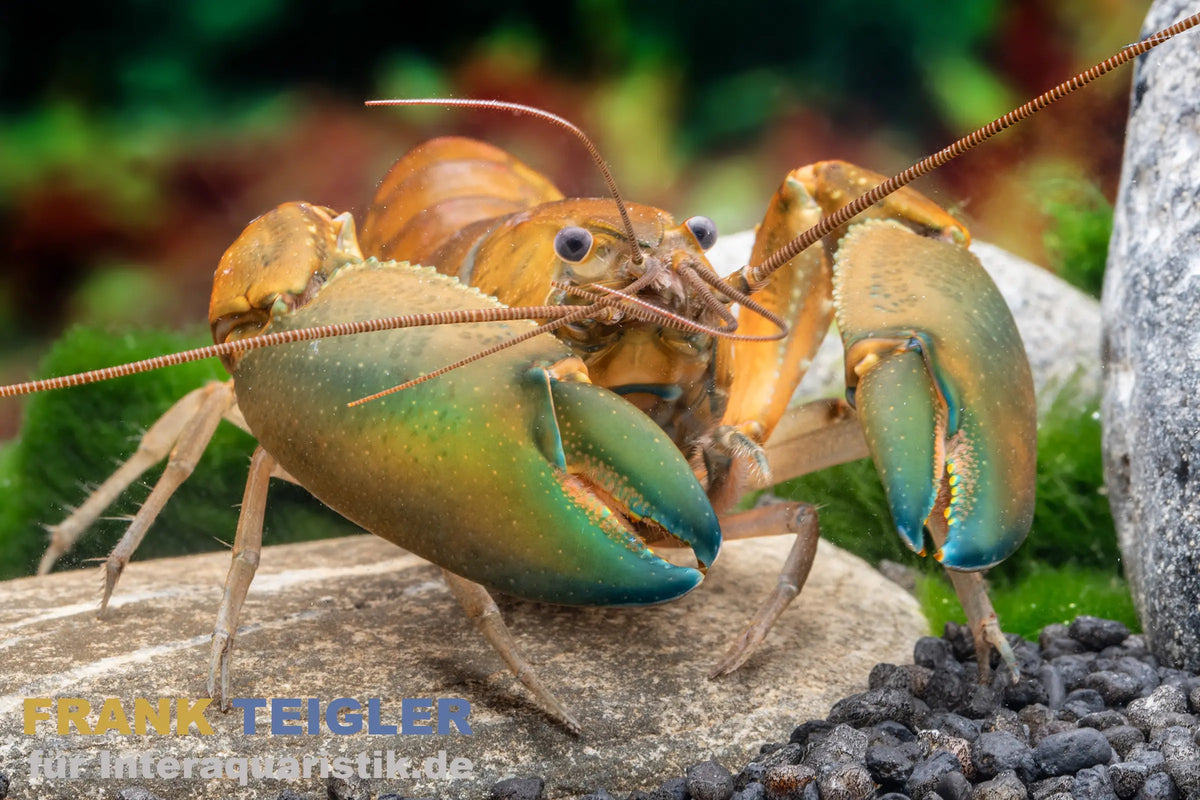
GREEN HULK CRAYFISH (Cherax .sp Green hulk)
GREEN HULK CRAYFISH (Cherax .sp Green hulk)
Regular price
$39.99 CAD
Regular price
Sale price
$39.99 CAD
Shipping calculated at checkout.
Low stock: 4 left
Quantity
Couldn't load pickup availability
The Cherax "Green Hulk" (Cherax sp. "Green Hulk") is a striking, undescribed species of freshwater crayfish native to Indonesia. Known for its impressive size, intense deep-green coloration, and powerful claws, it has become a highly sought-after invertebrate in the aquarium hobby.
Aquarium Care & Requirements
To successfully keep a Green Hulk crayfish, you need a specialized freshwater setup tailored to their size and behavioral quirks:
-
Tank Size: A minimum of 100 litres (approx. 25–30 gallons) is required for a single specimen. If you plan to keep a male and female pair, opt for a tank at least 100–120 cm in length with plenty of floor space.
- Aquarium Setup: Provide highly structured environments. Use robust heavy rocks, PVC pipes, and driftwood to create secure caves and hiding spots. They love to dig and rearrange their surroundings, so ensure your hardscape is securely placed on the glass bottom rather than on loose gravel. [1]
- Live Plants: Use caution with live plants. Like most Cherax species, the Green Hulk may snip, uproot, or eat soft-leaved plants. Opt for hardy, fast-growing epiphytes like Anubias or Java Fern securely anchored to rocks or wood.
-
Water Parameters:
- Temperature: 22°C to 28°C
- pH Level: 6.5 to 8.5
- Hardness: Medium to hard water is preferred to support healthy molting.
Behavior & Social Compatibility
- Intraspecific Behavior: They are relatively territorial, especially regarding their preferred hiding spots. Do not crowd multiple males together.
- Tankmates: They are generally peaceful toward active, middle-to-upper-dwelling fish. Avoid slow, bottom-dwelling fish, long-finned species, or small dwarf shrimp, which might accidentally become a nighttime snack.
Diet & Feeding
Green Hulks are hardy omnivores and scavengers. A balanced diet should include:
- Commercial Foods: High-quality sinking crayfish pellets and algae wafers.
- Vegetables: Blanched spinach, zucchini, peas, and brown autumn leaves (like oak or Indian Almond leaves), which provide essential dietary fiber.
- Protein: Occasional frozen treats like bloodworms or shrimp to assist with development, though keeping the diet primarily plant-based prevents molting complications.
Share