SKU:2205
MEKLONG SPINEY EEL (Macrognathus meklongensis)
MEKLONG SPINEY EEL (Macrognathus meklongensis)
Low stock: 8 left
Couldn't load pickup availability
Description
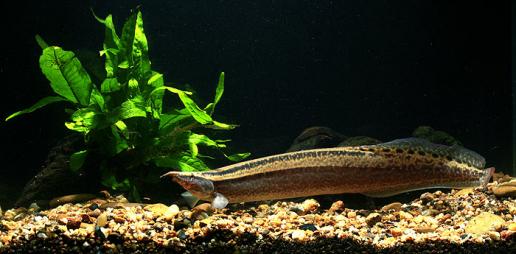
The Meklong Spiny Eel has a slender, elongated body typical of spiny eels. The fish can reach a maximum length of about 18 centimeters. The color of the head and flank varies, but the base color is a beautiful golden bronze. The fins are often yellow-red when the fish is feeling well, and there are small ocelli (eye spots) under the dorsal fin.
There are no significant physical differences between males and females, but males can be slightly smaller. Behaviorally they are peaceful and often live in groups or as a pair. They are shy and like to hide in shelters, but often become visible after the acclimatization phase.
The life expectancy of this species in the wild is unknown, but in a well maintained aquarium they can live for several years.
Biotope
In the wild, Macrognathus meklongensis occurs in Thailand, specifically in the Mae Klong River area. This species lives mainly in freshwater environments, such as rivers and streams, and can be found in the Meklong River and its tributaries.
Their natural habitat consists of areas with many hiding places, such as rocks and plants. The bottom is often covered with sand or fine gravel, which helps them to hide. They have few natural predators, as they mainly feed on small invertebrates and are not considered predators.
This species lives in a tropical climate, where seasonal flooding can occur, which affects their habitat.
Diet
In the wild, the Meklong Spiny Eel feeds primarily on small invertebrates such as mosquito larvae and bloodworms. In an aquarium, they can also be fed frozen food and live daphnia. It is advisable not to give them large or hard food, as this can disrupt their digestion.
The Aquarium
To care for Macrognathus meklongensis, it is recommended to have an aquarium that is at least 120 centimeters long. If you plan to keep multiple pairs, a larger aquarium of 180 centimeters or more is advised. The setup should include plenty of hiding spots, such as rocks and plants, and a fine sand or gravel substrate is ideal.
The ideal water conditions for this species include a temperature range of 22 to 28°C and a pH level between 6.5 and 7.5. This species can coexist with other peaceful fish, such as small loaches, tetras, and various types of spiny eels. However, it is best to avoid keeping them with larger or aggressive species.
Share